Tuesday, March 21, 2006

What's the difference between human and chimps? Gene regulation

The vast differences between humans and chimpanzees are due more to changes in gene regulation than differences in individual genes themselves, researchers from Yale, the University of Chicago, and the Hall Institute in Parkville, Victoria, Australia, argue in the March 9, 2006, issue of the journal Nature.

The scientists provide powerful new evidence for a 30-year-old theory, proposed in a classic paper from Mary-Claire King and Allan Wilson of Berkeley. That 1975 paper documented the 99-percent similarity of genes from humans and chimps and suggested that altered gene regulation, rather than changes in coding, might explain how so few genetic changes could produce the wide anatomic and behavioral differences between the two.

Using novel gene-array technology to measure the extent of gene expression in thousands of genes simultaneously, this study shows that as humans diverged from their ape ancestors in the last five million years, genes for transcription factors--which control the expression of other genes--were four times as likely to have changed their own expression patterns as the genes they regulate.

Because they influence the activity of many "downstream" genetic targets, small changes in the expression of these regulatory genes can have an enormous impact.

"When we looked at gene expression, we found fairly small changes in 65 million years of the macaque, orangutan, and chimpanzee evolution," said study author Yoav Gilad, PhD, assistant professor of human genetics at the University of Chicago, "followed by rapid change, along the five million years of the human lineage, that was concentrated on these specific groups of genes. This rapid evolution in transcription factors occurred only in humans."

"For 30 years scientists have suspected that gene regulation has played a central role in human evolution," said Kevin White, PhD, associate professor of genetics and ecology and evolution at Yale and senior author of the study. "In addition to lending support to the idea that changes in gene regulation are a key part of our evolutionary history, these new results help to define exactly which regulatory factors may be important, at least in certain tissues. This helps open the door to a functional dissection of the role of gene regulation during the evolution of modern humans."

To measure changes in gene expression from different species, White and Gilad developed the first multi-species gene array. This allowed them to compare the level of expression of more than 1,000 genes between humans, chimps, orangutans and rhesus macaques--representing about 70 million years of evolution. To make the samples comparable, the researchers studied tissue from the liver--one of the most homogeneous sources--from five adult males from each of the four species.

They focused their search on expression levels of two sets of genes, those that remained largely unchanged across all four species, suggesting that there was little room--or need--for improvement, and those that changed most dramatically, usually in the human lineage--an indication of powerful incentives to adapt to a changing environment.

Of the 1,056 genes from all four species, 60 percent had fairly consistent expression levels across all four species. "The expression levels of these genes seem to have remained constant for about 70 million years," the authors wrote, "suggesting that their regulation is under evolutionary constraint."

Many of these genes are involved in basic cellular processes. The authors suggest that altering the regulation of these fundamental and ancient genes may be harmful. In fact, five of the 100 most stable genes have altered expression levels in liver cancer.

When they also looked for human genes with significantly higher or lower expression levels, they found 14 genes with increased expression and five with decreased expression. While only 10 percent of the genes in the total array were transcription factors, 42 percent of those with increased expression in humans were. None of those with lower expression were transcription factors. This pattern, the authors note, is consistent with "directional selection."

Previous studies have found that many of these same genes have also evolved rapidly in humans, accumulating changes in their coding sequence as well as in expression rates. "Together," they add, "these findings raise the possibility that the function and regulation of transcription factors have been substantially modified in the human lineage."

This is a very efficient way to make big changes with very little effort, according to Gilad. By altering transcription factors, the entire regulatory network can change with very few mutations, increasing the impact and minimizing the risk.

"The big question," he said, "is why are humans so different? What sort of changes in the environment or lifestyle would drive such a rapid shift in the expression of genes--in this case in the liver--in humans and in no other primate?"

Part of the answer, he suspects, is rapid alterations in diet, probably related to the acquisition of fire and the emerging preference for cooked food. "No other animal relies on cooked food," he said. "Perhaps something in the cooking process altered the biochemical requirements for maximal access to nutrients as well as the need to process the natural toxins found in plant and animal foods."

This is just the first of a series of similar studies, said Gilad, that will look at changes in gene expression over evolutionary time. The next steps are to look at larger arrays of genes and to focus on other tissue types.

Additional authors include Alicia Oshlack, Gordon Smyth and Terence Speed from the Hall Institute in Parkville, Victoria, Australia. The study was supported grants from the Keck Foundation, the Beckman Foundation and the National Human Genome Research Institute to Professor White.

Too Poor To Be Sick

As my inaugural attempt at writing a blog, I thought that I would have trouble picking an IMPORTANT topic. Not a worry. The pharmaceutical industry was happy to oblige. The new Medicare part D was not confusing enough and the benefits of the various offered plans were not elusive enough. Now Merck has sold its rights to two cancer drugs, Mustargen and Cosmegen, to other companies and the price of the drugs has escalated exponentially – in one instance from $77.50 for a 2 week supply to $548.01 for the same amount (The New York Times, 3/12/06.) Even without a sale, the same article points out that Genetech will double the cost of its colon cancer drug, Avastin, so that the price tag will be about $100,000.

At these rates only the super rich can afford to get sick. Should the rest of us then fold our tents and simply prepare to suffer and or die? As an attorney, I understand clearly that corporations are in the business of making money and that their loyalties lie with their shareholders. But patients are not consumers and life saving or life restoring drugs are not commodities like cars. While many of us require a car in order to get to and from work or even to do our work, the car, as long as it runs and is safe, can be second hand, old, dented, whatever. That does not apply to drugs, especially drugs that can make the difference between life and death, or working or not working, or comfort or pain. It seems to me patently unethical to put the profit motive ahead of the human purpose. But so long as we allow industry to change the language to “consumer” and “product,” then the argument for more patient friendly approaches will fall on dead ears.

Corporations may not have a heart and a soul but as ethicists we must begin to change the vocabulary and dialogue to bring about affordable drugs along with accessible health care.

[Crossposted at Health Advocacyslc.blogspot.com.]


-- Alice Herb

Human Trials to start soon in Nanomedicine

From Technology Review this morning: The treatment begins with an injection of an unremarkable-looking clear fluid. Invisible inside, however, are particles precisely engineered to slip past barriers such as blood vessel walls, latch onto cancer cells, and trick the cells into engulfing them as if they were food. These Trojan particles flag the cells with a fluorescent dye and simultaneously destroy them with a drug.

Developed by University of Michigan physician and researcher James Baker, these multipurpose nanoparticles -- which should be ready for patient trials later this year -- are at the leading edge of a nanotechnology-based medical revolution. Such methodically designed nanoparticles have the potential to transfigure the diagnosis and treatment of not only cancer but virtually any disease.

Pacemaker for Depression: But Does it Work?

Eight months ago the Food and Drug Administration (FDA) approved a pocket-watch-sized device billed as "a pacemaker for the brain," the newest cutting-edge treatment for as many as 4 million adults whose severe depression is not relieved by psychotherapy, drugs or even shock treatments.

Since then, more than 550 Americans have undergone surgery to have a vagus nerve stimulator (VNS) implanted in their chests to activate parts of their brains. However, the only rigorous clinical trial of the device -- which is approved to treat severe epilepsy -- failed to demonstrate effectiveness in alleviating depression.

What happened to evidence-based medicine?

Monday, March 20, 2006

Obsessing about Drugs

The notion that brain chemicals play a powerful -- but hidden -- role in human behavior is at odds with American convictions about free will and choice; but an article in the Washington Post this morning more than suggests that chemical changes, brought by certain prescribed drugs, can lead to impulsivity, and destructive obsessive compulsive behavior like pathological gambling.

New evidence unearthed by scientists at the Food and Drug Administration, Duke University and other centers are looking into the possibility that dopamine, which is associated with a host of addictive behaviors, may turn some patients into obsessive pleasure seekers.

In a related matter, AJOB guest bloggers Christina Persaud and Yang Liu, do an excellent post on the ethical issues relating to nootropic and brain enhancement drugs.

Sunday, March 19, 2006

Male Gametes or Manolo Blahniks?

Interesting article in the NY Times today about how buying sperm over the Internet is not much different from buying shoes. Single Mothers by Choice hosts 11 Listservs, each addressing a different aspect of single motherhood. Women around the world pore over these lists, exchanging tips and information, selling one another leftover vials of sperm.

How do the children born of these lists fare? A continuing study of a group of children in England, who were conceived by single women using donor sperm concludes that so far they are healthy and well adjusted. But the long-term questions of how these children will fare or about the different experiences of girls and boys have yet to be answered.

In a related story on CBS' 60 Minutes, an estimated 30,000 children per year are born in this country to mothers who have been artificially inseminated with sperm from an anonymous donor. Most of these children grow up never knowing their biological father — but now, with the help of sperm bank records and the Internet, some of them are finding half-brothers and half-sisters they never knew they had, who were sired by the same anonymous donor, forging family ties they never knew existed and re-defining the family relationships.


Ban on Blood Donation Revisited

The Food and Drug Administration is considering revising its policy that bars as a blood donor any man who has had sex with another man since 1977, officials said yesterday.

The change in policy is being recommended by the American Red Cross, the American Association of Blood Banks and America's Blood Centers, which collect virtually all the blood used for transfusions nationwide.

Saturday, March 18, 2006

FDA May Launch Safety Review of RU 486

On the occasion of the tragic deaths of two women after having taken the abortion pill Mifepristone (Mifeprex™), also known as RU486, some Republicans in Congress are demanding that the Federal Drug Administration launch a special safety review of the drug. Anti-choice advocates are demanding that the drug be banned. Seven deaths in North America have been attributed to RU486 although over one million women in the world have used the drug safely. In an announcement on their www site , Planned Parenthood points out that “at this time, none of those deaths have been directly attributed to mifepristone.” The deaths may be the result of a fast acting sepsis, a blood infection, clostridium sordelli, “a common soil bacterium that has shown up in a small number of obstetric and gynecological cases, including following childbirth and surgical abortion...it has been identified as a cause of pregnancy-associated toxic-shock syndrome.” (ref) According to a spokesperson for the FDA, “four cases were women who had received this treatment vaginally, who then ... reported back to their physician with very serious, rapidly spreading infection which led to sepsis and death.” As a precautionary measure, Planned Parenthood announced that it would change the protocol for the second dose: “Our health centers will no longer recommend the option of administering misoprostol vaginally (misoprostol is the second drug in the two-drug medication abortion regimen). Patients will now receive misoprostol orally or buccally (where the pill is placed between the cheek and gum and dissolves). This change in protocol is effective immediately.” For information on the RU 486 debate see: http://www.religioustolerance.org/aboru486f.htm

Friday, March 17, 2006

More on Plan B and the FDA

Rep. Henry A. Waxman is still making noise about FDA's treatment of the Plan B studies and recommendation, as you can see for yourself here: his letter to Andrew von Eschenbach, President Bush's new nominee for FDA chief. The letter includes a nice overview of what actually happened during and after the scientific review, for those who are interested in the play-by-play.

Rep. Waxman keeps the pressure on FDA

Rep. Henry A. Waxman is still making noise about FDA's treatment of the Plan B studies and recommendation, as you can see for yourself here: his letter to Andrew von Eschenbach, President Bush's new nominee for FDA chief. The letter includes a nice overview of what actually happened during and after the scientific review, for those who are interested in the play-by-play.

Thursday, March 16, 2006

Drug Trials Gone Wrong

Six people are in hospital, two critical, after participating in a clinical trial for a new anti-inflammatory drug in London, according to the Sky News report today. Alongside this report, a Sky News poll asks: should drug trials be banned on humans? One wonders how those who vote in favor of such a ban (a mere 13,6%, with 86,4% voting against a ban) expect to ever have access to new medical drugs that have the potential to ease suffering and save lives if the developers were not permitted to test these drugs on humans.

Nonetheless, this report comes after calls for more transparency regarding drug trial results as it is evident that drug companies are neither legally required nor ethically compelled to make all the data publicly available. In fact, according to an article published in the New England Journal of Medicine last year, several major pharmaceutical companies do withhold important details about clinical drug trials. Although a clinical trial registration website exists to monitor and track clinical trial results, it by no means makes it mandatory for drug companies to make public all findings from such trials.

So what went wrong in this London trial? Was it just a fluke, a drug that may have been safe in animals but evoked a negative reaction in humans? Or were the correct procedures not followed, resulting in the human administration of a drug that had not yet been declared safe for testing in humans? Authorities are now looking into the testing procedures: watch this space.

Wednesday, March 15, 2006

Fetal Origin of Disease Hypothesis

According to an author writing in the London Times , Roger Dobson, the time spent in the womb may influence whether folks suffer, years later, from cancer, obesity or heart disease. A research program working under the “fetal origins of disease” hypothesis suggests that diseases may originate through fetal adaptations to under-nutrition, over-nutrition or unbalanced nutrition, or to other environmental changes. According to Dobson, the debate now is not so much about the validity of the theory, as to how strong its effects are, and how they can be changed. This does not seem to be accurate, however, because there are fatal statistcal problems with these kinds of analyses, say other scientists.

The theory, first put forward by researchers at Southampton University, is that the fetus responds to an adverse environment by re-setting its growth plans to prepare for a life in a deprived environment. But if that environment turns out not to be deprived it is not best equipped to survive. Fearing that life outside the womb is going to be as deprived as it is inside, the fetus may, for example, create a level of insulin resistance that allows survival in times of famine through efficient storage of fat in rare times of plenty. But in a postnatal world of constant plenty, that set-up would lead to a greater risk of obesity, diabetes and heart disease. Research shows that babies conceived during the Dutch famine (1944-1945) were more prone to heart disease and obesity.

Most human disease is the result of the interaction of genetic susceptibility and environmental factors. While most research has looked at environmental effects after birth, studies at Southampton University and elsewhere claim that the 266 or so days from conception to birth is the time when much of what will happen during the decades ahead is determined. The mother’s diet, hormonal changes, changes in the placenta, maternal exposure to disease and toxins and the general weight, fitness and lifestyle of the mother are all said to contribute.

Yet Another Research Fraud: Ian Wilmut Did Not Clone Dolly


Just months after Korean science’s shooting star Hwang Woo-suk fell from grace after confessing that most of his research was actually fabricated, the international science community is shaken by another scandal surrounding one of the leading figures in cloning research.

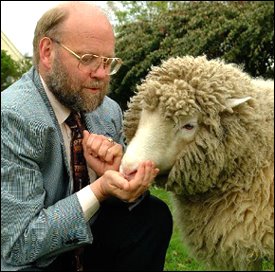
Ian Wilmut, the English researcher who started the current frenzy about cloning when he stunned the world with Dolly, a cloned sheep, in 1996, admitted before an employment tribunal at the University of Edinburgh that he did not conduct the experiment after all. Now several parties are trying to take credit for the scientific breakthrough.

Professor Wilmut of Roslin Institute admitted this week that he only played a supporting role in Dolly’s creation, and that most of the credit should instead go to his colleague Keith Campell, who co-authored a paper about Dolly in the prestigious Nature magazine in 1997.

Implanted Medical Chips and Patient Privacy

From the Washington Post: The good news is you can have a microchip implanted under your skin to provide instant access to your computerized medical record, which is great if you arrive unconscious in the ER. The bad news, your medical privacy is put at risk.

The Verichip is being aggressively marketed by its manufacturer, which is targeting Washington to be the first metropolitan area with multiple hospitals equipped to read the device. Some doctors are welcoming the technology as an exciting innovation that will speed care and prevent errors. But the concept alarms privacy advocates. They worry the devices could make it easier for unauthorized snoops to invade medical records. They also fear that the technology marks a dangerous step toward an Orwellian future in which people will be monitored using the chips or will be required to have them inserted for surveillance.

Tuesday, March 14, 2006

WBP receives grant from Ford Foundation

The Women’s Bioethics Project (WBP) today announced it has received a grant from the Ford Foundation. The funding will support a mid-March planning meeting in Washington, D.C., to organize the first-ever Bioethics Seminar for Women State Legislative Leaders.
Developed in partnership with the Center for Women Policy Studies, a Washington, D.C.-based
think tank, the goal of the bioethics seminar is to prepare women state legislators to take leadership positions on emerging bioethics issues in health and biotechnology. The planning meeting convenes March 21st, and it will include leaders from the fields of bioethics, medicine, law, and women’s reproductive and human rights.
“We are starting at a state legislative level because that’s where many of these complicated bioethical issues tend to emerge,” said Kathryn M. Hinsch, founder of the WBP. “We firmly believe that women’s voices need to be heard, as women are uniquely affected by issues in biotechnology and healthcare. Women carry babies, live longer than men, and are the predominant caretakers for children, the sick, disabled and elderly people. By providing women legislative leaders the support they need to champion these issues, we can help ensure that the entire spectrum of human experience is represented on these critical issues.”

A Different Take on the Maternal-Fetal Conflict in Pregancy

Women know that pregnancy can be wonderful, and that it can also be dangerous: Around the world, an estimated 529,000 women a year die during pregnancy or childbirth and roughly ten million suffer injuries, infection or disability. David Haig, an evolutionary biologist at Harvard, notes that while pregnancy is absolutely central to reproduction, it doesn't seem to work very well -- that pregnancy is associated with all sorts of medical problems. Why? Dr. Haig argues, a mother and her unborn child engage in an unconscious struggle over the nutrients she will provide it.

In a 1993 paper, Dr. Haig first predicted that many complications of pregnancy would turn out to be produced by this conflict. One of the most common complications is pre-eclampsia, in which women experience dangerously high blood pressure late in pregnancy. For decades scientists have puzzled over pre-eclampsia, which occurs in about 6 percent of pregnancies.

Dr. Haig proposed that pre-eclampsia was just an extreme form of a strategy used by fetuses, somehow raising the blood pressure of their mothers so as to drive more blood into the relatively low-pressure placenta.

Dr. Haig says that people seem to think that he must have a political agenda, but he explains that he's not talking at all about conscious behaviors -- he's just interested in these mechanisms and why they evolved.

They sell medical equipment on EBay, don't they?

A disturbing article in NY Times today notes that if the avian flu virus was to morph and lead to a human pandemic, the nation's hospitals would not have enough ventilators.

Right now, there are 105,000 ventilators, and even during a regular flu season, about 100,000 are in use. In a worst-case human pandemic, according to the national preparedness plan issued by President Bush in November, the country would need as many as 742,500.

To some experts, the ventilator shortage is the most glaring example of the country's lack of readiness for a pandemic.

"This is a life-or-death issue, and it reflects everything else that's wrong about our pandemic planning," said Dr. Irwin Redlener, director of the National Center for Disaster Preparedness at Columbia University. "The government puts out a 400-page plan, but we don't have any ventilators and there isn't much chance we're going to get them."

In a pinch, ambu bags can be used (which I found 12 of on EBay), but they would be be insufficient for a pandemic.

The 'Pimping' of Medical Students

The term 'pimping' is not a term that I've previously heard used in hospitals, medical schools, or clinical ethics rounds, but apparently is a term that's gaining popularity: it is being used in the medical profession to describe the process of enticing respect for the medical intern's superiors and to rid the intern of unwarranted self esteem.

The article, "The Art of Pimping" was published in the Journal of the American Medical Association in 1998 and then the website Neonatology on the Web, picked up the article in 2005: it suggests (tongue-in-cheek) that every 'newly appointed attending must teach himself how to pimp.'

The question is does grilling medical students with questions make them into better doctors? How do we, as patients, benefit from such a bizarre practice?

Monday, March 13, 2006

Steinem Speaks Out on New Abortion Laws

Renowned feminist and activist Gloria Steinem demanded a town hall audience of 900 in Seattle in taking a stand to protect a woman’s right to choose after the recent passing of legislation in South Dakota, banning abortions.

The ban forbids abortions in all circumstances, including rapes and familial copulation or, in other words, incest. The only exception is in the case where a woman’s life is in danger, which is yet to be clearly defined. Steinem says this legislation was passed without giving South Dakotans the chance to vote on the issue.

While the new law passed by twelve votes in the state Senate (23-12), Steinem believes the government is trying to gain control over a woman’s reproductive freedom. She also took a stab at the media for their inaccurate and minimal coverage of the legislation and the Bush administration’s policies on birth control and abortion.

Read more at seattlepi.com

Rabbinical students get crash course in IVF

Interesting story in today's NYT describes a group of graduate students studying infertility and Jewish law.

**excerpt**
"This is not like 'Star Trek' science," said Rabbi Brander, a dean at Yeshiva, which has the largest Orthodox rabbinical seminary in the country. "This is stuff that comes up every day. And if the rabbi doesn't understand reproductive technology he can't answer the questions effectively. If he doesn't know the Jewish law he can't answer them, either."

Wrongful life?

Yesterday's NYT Magazine included this story about "wrongful life. " The article talks about cases in which parents who give birth to severly disabled children were not informed of the fetus' status in time to procure an abortion--and they sue the treating physician.

The story quotes Adrienne Asch, who notes (here and in a number of thought-provoking journal articles) that there is a moral difference between abortion for general reasons that apply to the pregnant woman (her life plans, her health, etc.) and reasons specific to that particular fetus. On her view, women have the right to choose whether and when to give birth--but they ought not have the right to choose to abort on the basis of fetal characteristics. One argument against prenatal testing is that it's the beginning of a slippery slope--today it's Down syndrome, in some places it's (already) sex, tomorrow it might be intelligence or height or some other characteristic. Basing abortion decisions on a single characteristic is, Asch and her coauthors claim, confusing the part with the whole--seeing only that characteristic and nothing else. They also note that, in many cases, parents may be basing their decisions on an inaccurate or incomplete understanding of what it's really like to raise a disabled child. Moreover, they say, entering parenthood isn't like (and shouldn't be like) shopping: we should take what we get.

Another question worth considering, mentioned only briefly in this article, is whether there already exists a pro-abortion bias in the medical community in cases where genetic abnormalities are identified through prenatal tests. If this bias does exist--and my sense is that it does, at least in the minds of some physicians--are women really free to choose?

NYU: Law, Medicine and Morality -- Implications of the Terri Schiavo case

New York University Law School conducted a wonderful one day conference on Law, Medicine and Morality: Implications of the Terri Schiavo Case, with great speakers such as our Board Member Jonathan Moreno, Sylvia Law, Glenn McGee, Lisa Chiyemi Ikemoto, Rabbi Richard F. Address, Vanessa Northington Gamble and others too numerous to mention. One of the recurring theme of the conference was to establish a creative unifying agenda for bioethics. I've invited many of the speakers to post here on our blog and I look forward to reading their posts!

Friday, March 10, 2006

Do we trust our government to protect us against Avian Flu?

Billions of dollars have already been spent on fighting the Avian Flu pandemic, and the chances of it spreading are still quite high. However we will never have enough vaccines or medicines to fight off this disease if it indeed spreads. The two solutions that Caplan and McGee suggest are quarantine and rationing. For this to happen the public needs to trust their government officials with their health and life—which, right now, they do not.

The authors explain that if military men in gas masks invade people’s homes and communities the reaction will be panic and mass hysteria. In order for such a government response to run smoothly McGee and Caplan suggest educational classes and town meetings where officials explain what will need to be done if Avian Flu spreads widely to humans.

Read more: Arthur Caplan and Glenn McGee on Bioethics at timesunion.com

Thursday, March 09, 2006

Fatherhood Suit: Roe vs Wade for Men?

Contending that women have more options than they do in the event of an unintended pregnancy, men's rights activists are mounting a long shot legal campaign aimed at giving them the chance to opt out of financial responsibility for raising a child.

The National Center for Men has prepared a lawsuit -- nicknamed Roe v. Wade for Men -- to be filed Thursday in U.S. District Court in Michigan on behalf of a 25-year-old computer programmer ordered to pay child support for his ex-girlfriend's daughter.

The suit addresses the issue of male reproductive rights, contending that lack of such rights violates the U.S. Constitution's equal protection clause.

The gist of the argument: If a pregnant woman can choose among abortion, adoption or raising a child, a man involved in an unintended pregnancy should have the choice of declining the financial responsibilities of fatherhood. The activists involved hope to spark discussion even if they lose.

Hands Off Our Ovaries and International Women's Day

March 8th, International Women's Day, a coalition of pro-choice and pro-life women, concerned at the growing exploitation of women in biotechnology will launch a new campaign against the harvesting and marketing of human eggs. The campaign. "Hands off our ovaries!" will highlight the short and long-term risks involved in egg harvesting and its significance for the health and dignity of women, an issue that has been addressed on this blog before and is a concern of the Women's Bioethics Project.

Concerned feminist representatives have joined together on this common ground, outraged by the casual attitude of the biotech industry towards the female body. Like-minded leaders and groups from around the world are invited to join a list which already includes representation from the USA Europe and Asia.

(hat tip to Jennifer Lahl)

No Gnome Liberation for Women


(Photo: Duncan Andrew, The Witness)

I have a question I’d like answered: Do you get female gnomes? There seems to be some confusion around this point, as the Cambridge Advanced Learner’s English Dictionary defines a gnome as a very small old man with a long beard and pointed hat. But other accounts and many garden gnome displays lend testimony to the fact that there are indeed both male and female gnomes.

Which brings me to the issue I want to raise, my point(ed hat) of contention, as it were. Having been alerted to the issue of garden gnome liberation by a cutting-edge journalistic piece appearing in our local newspaper this week, I did some investigation into the phenomenon. And what I found was alarmingly reflective of the discrimination perpetuated against women in (real) society.

As reported in The Witness this week, “garden gnome liberation is a worldwide phenomenon…a political movement dedicated to liberating gnomes from the gardens in which they are shackled…removing gnomes from gardens and either taking them out to the woods to release them or smashing them to set their spirits free.” A (g)noble cause, and one taken up in earnest by liberation movements around the world – like the Free the Gnomes group in the United States.

But if one looks more closely at the reports and photographic testimonies of the struggle for gnome civil liberties and rescue attempts around the world, one notices that the gnomes that are liberated all share one common characteristic: they are all male gnomes. What about the female gnomes? Could these liberation fronts be operating on the assumption that women are more contented to stay ‘shackled’ in floral domesticity, while men have the biological need and moral right to be set free, to run wild?

Wednesday, March 08, 2006

Caffeine and the Heart: Mixed Messages for Java Lovers

For someone whom coffee is a transcendental experience, this recent report is provocative:
heart attacks might be a risk for coffee drinkers with a common genetic trait that makes caffeine linger in their bodies. In a study published in the Journal of the American Medical Association, researchers found that individuals with a certain genetic profile that were "slow metabolizers" of caffeine -- slow-metabolizers, those who drank two or more cups of coffee daily were at least 36 percent more likely to have a nonfatal heart attack than those who drank little or no coffee.

How do you know if you're a slow metabolizer or fast metabolizer? Currently, there's no easy way to know if you're a fast or slow caffeine metabolizer. Staying awake all night if you drink coffee in the afternoon doesn't mean you're a slow metabolizer -- there is a genetic test that could answer the question is used in research, but is not commercially available at this time.

So, in the meanwhile, I'll guess I'll take my chances and enjoy my morning java ritual.

AMA Warns Girls Not to Go Wild

The American Medical Association is warning girls not to go wild during spring break. All but confirming what goes on in those "Girls Gone Wild" videos, 83 percent of college women and graduates surveyed by the AMA said spring break involves heavier-than-usual drinking, and 74 percent said the break results in increased sexual activity.

The AMA is trying to call attention to underage drinking among women because their bodies process alcohol differently and put them at greater risk for health problems -- Sizable numbers reported getting sick from drinking, and blacking out and engaging in unprotected sex or sex with more than one partner, activities that increase their risks for sexually transmitted diseases and unwanted pregnancies. The AMA said the findings highlight the need for alternative spring break activities.


Tuesday, March 07, 2006

British Woman Loses Frozen Embryo Battle

In a move similar to the Tennessee Supreme Court in the Davis case , the European Court of Human Rights has ruled that a British woman has no right to use frozen embryos to have a baby without the consent of the man who provided the sperm.

Evolving Notions of Personhood and Humanity

Nicholas Wade of the NY Times reports that researchers have detected some 700 regions of the human genome where genes appear to have been reshaped by natural selection, a principal force of evolution, within the last 5,000 to 15,000 years, providing the strongest evidence yet that humans are still evolving.

Traditional notions of personhood usually require humanity, but if we're still evolving then perhaps we should be considering evolving notions of personhood. Which brings us to another interesting question: should be trying to control our evolution (and, in fact, haven't we already have by so many improvements in medical technology and health care, at least in this country) or should we be letting nature takes its course?

A Day of Mourning: Dana Reeve dies at age 45


Dana Reeve, best known for her tireless efforts in supporting her late husband, Christopher Reeve, and their support of stem cell research to find a cure for paralysis, died yesterday of lung cancer.

She served as chairwoman of the Christopher Reeve Foundation and founded the Christopher and Dana Reeve Paralysis Resource Center.

Kathy Lewis, president and CEO of the foundation, said "Dana will always be remembered for her passion, strength and ceaseless courage that became her hallmark... Along with her husband, Christopher, she faced adversity with grace and determination, bringing hope to millions around the world."

She is survived by her father, Dr. Charles Morosini; sisters Deborah Morosini and Adrienne Morosini Heilman; two stepchildren, Matthew and Alexandra; and her son.

Monday, March 06, 2006

Board Member Hilde Lindemann On the South Dakota Ban

As we posted before, South Dakota's extremely restrictive ban on abortion has now been signed by the Governor Rounds. One of our newest board members, Hilde Lindemann, has posted a personally inspired and awesome commentary on the South Dakota ban on the new Hastings Center Bioethics Forum. Here is an excerpt that I found particularly powerful:

Significantly, what antiabortion legislation requires of women is quite different from what child-support legislation requires of delinquent fathers. To be sure, such fathers must pay child support, but they are never forced to what lawyers call “specific performance.” They aren’t required by law to change diapers, give baths, prepare and serve meals, help with homework, or take their children to soccer practice. All unwilling fathers have to do is pay up every month. Specific performance, in fact, is seen as a form of servitude that may lawfully be required only of conscripts when there is a clear and present danger to the state. It may not be imposed even on convicted felons. If a drunk driver smashes into your house, he might have to go to prison or (under certain victim compensation laws) pay for damages, but he doesn’t have to repair your brickwork or replace your broken door with his own hands. If your architect breaks her contract with you by failing to produce the agreed-upon blueprints, the court can impose a fine, but it can’t make her sit down at her drafting table and do the promised work.

And that, when all is said and done, is the difference the South Dakota legislators want to draw between actual fathers and expectant mothers. They want to hold pregnant women – who are innocent of any wrongdoing – to a punitive standard of specific performance, sentencing them against their will to the many kinds of hard work, physical discomfort, and outright danger that my daughter has undertaken to bring her wanted child into the world. No other class of people is held to this standard in peacetime. No woman should be held to it either.


Way to go, Hilde!

Is Drug Data Delayed, Drug Data Denied?

An annual report by the US Food and Drug Administration (FDA) admits that about two-thirds of the post-marketing drug studies it had mandated have never been finished. According to the Times, one such study was mandated in 1955.

US Representative Maurice D. Hinchey (Democrat- New York), "said while the agency insisted that it demanded that drug makers prove their medication safe, those demands 'continue to be blatantly ignored by the pharmaceutical industry.'"

In reply, Dr John Jenkins, director of the FDA Office of New Drugs, "emphasized that only 5 percent of promised drug trials were officially considered 'delayed.' In many cases, trials have been pending for more than a decdade but are not considered delayed because the agency never insisted on a specific timeline for them."

Fellow blogger Roy Poses has a good comment on this story:

I agree that potentially beneficial drugs should be put on the market as soon as possible with the least red-tape. Randomized controlled trials that have adequate statistical power to determine if a drug has benefits when compared to a placebo may not have enough power to determine all its important adverse effects. Thus it may make sense, when a drug offers important benefits beyond any treatment currently available, to allow it on the market without complete safety information, and then to require post-marketing studies, with more statistical power (but perhaps also with more methodologic biases) to assess its adverse effects. But patients and physicians need to know about the all important possible hazards of potentially beneficial medicines to make optimal decisions about whether to use them. So it is crucial that these post-marketing studies get done as quickly as possible.

I don't understand why the FDA has been mandating these studies, but not mandating any deadlines for their completion. Patients and physicians are ill-served by delays (whether officialy defined or not) in accomplishing these studies.

If pharmaceutical companies really want to increase their trustworthiness to patients and physicians, they ought to consider completing all pending post-marketing studies expeditiously. And in my humble opinion, the FDA needs to hold pharmaceutical companies accountable for their failure to complete such studies in reasonable amounts of time.

Parental Notification laws have little impact

Laws that require minors to notify their parents or get permission to have an abortion do not appear to have produced the sharp drop in teenage abortion rates that some advocates hoped for, an analysis by The New York Times shows.

Artificial Blood (Polyheme) Trials : King and Kipnis

Ethicists Nancy M. P. King, Ken Kipnis, and Robert Nelson were kind enough to give us permission to re-print their letter originally posted on the Medical College of Wisconsin listserve:

Date: 06-14-04 22:37

We - Nancy M.P. King and Ken Kipnis - have been doing research on the ethics of waived-consent clinical studies now permitted under 21 CFR Part 50. Such a study is underway: a well-publicized multi-center trial, sponsored by Northfield Laboratories and testing a hemoglobin-based oxygen carrier (PolyHeme) on trauma victims. One of us - NK - had noticed a possibly serious problem that seemed to have been missed, and Robert Orr, a physician evaluating the PolyHeme protocol at the University of Vermont, contacted KK about the same issue. This posting is a request for comments and information that might throw light on the concerns we set out below.

The Northfield protocol provides that trial subjects - trauma patients in hemorrhagic shock who are being treated by EMTs - randomly receive either saline solution or PolyHeme. Enrollment occurs in the field under the waived-consent exception, before arrival at the emergency department. The research subject/trauma patient is likely to be in a medically exigent circumstance and incapable of consent, either because of the injuries or because of the gravity of the situation and the complexity of the consent process. Apart from slowing blood loss and replacing fluids, hemorrhagic shock is not satisfactorily treatable in the field.

Once at the hospital, efforts are to be made to secure consent for continued participation either from the patient/subject or a legally authorized representative. However if formal withdrawal from the study does not occur, participation continues by default during a 12-hour period in the hospital. Patients/subjects in the control group receive standard treatment: saline and blood as needed. However patients/subjects in the experimental group continue to receive PolyHeme instead of blood for oxygen delivery: up to six units of PolyHeme for up to 12 hours, at which point their participation in the trial ends.

The study can be divided into two phases. The first (PolyHeme vs. saline) occurs in the field. The second phase (PolyHeme vs. blood) occurs for up to 12 hours after hospital admission.

We believe it is a serious problem that the special circumstances that justify waiver of consent in the field cease to obtain shortly after admission to the hospital. After they arrive, the patients/research subjects can be typed and transfused, complying with a standard of practice not available to EMTs. Provided that certain other conditions are satisfied, we accept that the use of an investigational product like PolyHeme, instead of saline, can be justified when blood is unavailable (as in an ambulance) and the medically exigent patient/subject cannot consent. But this same investigational procedure becomes deeply problematic if the optimal treatment - blood transfusion - is available but being experimentally withheld without consent.

We believe that, at a minimum, it is obligatory to separate the field trial (PolyHeme vs. saline) and the clinical trial (PolyHeme vs. blood). We think it is an ongoing mistake to be piggy-backing the latter onto the former, with its much weaker consent requirements.

Consider that it is inevitable that some hospitalized patients/research subjects on PolyHeme will die during the critical 12-hour interval when blood is available but being withheld. We expect that plaintiffs' attorneys will scrutinize these deaths in efforts to ground claims of liability. Putting the point most dramatically, these people will have died while being denied an available, standard medical treatment (blood transfusions) following unconsented-to enrollment in a research study. Despite the good results obtained in earlier trials, the use of PolyHeme is still an investigational procedure that can only be substituted for established practices with consent (except under circumstances that plainly do not obtain in the hospital setting).

We are aware of the risks associated with the use of allogeneic blood and appreciate that the availability of a safer oxygen carrier will be a medical advancement. But even though blood is less than ideal, it doesn't follow that it is "unsatisfactory" under the Federal Regs. If it did follow, the waiver could be applied whenever an investigator was sufficiently impressed by an experimental treatment that promised superiority to a less-than-perfect standard treatment. Hemorrhagic shock can be treated in the hospital using blood, though this standard intervention may not be as safe and effective as PolyHeme may someday be definitively shown to be. Of course there is a need for further clinical research comparing PolyHeme and blood, but only with the consent of the research subjects.

We have puzzled over the 12-hour clinical phase of the trial. Emergency departments participating in the Northfield study will typically receive patients/subjects less than one hour post-trauma. But the study is designed to mimic a 12-hour period without access to blood. Unlike remote areas and ships (which do not seem to be participating in this study), 12-hour delays are not common problems in the communities where the studies will be done. So why include this troubling feature? We believe it reflects the circumstances of combat-wounded soldiers when evacuation to field hospitals is impossible. The military could plainly benefit from this new technology, once it is approved. If military applications are the reason for the clinical phase of the study, than the additional risks imposed upon hospitalized civilian trauma victims are intended to benefit, neither the patients/subjects nor those subsequently injured in their communities but rather, soldiers fighting overseas. While both of us endorse the obligation to provide the highest-quality care to injured American troops, we think that duty cannot justify departures from ethical principles governing research on non-consenting civilian human subjects.

These reservations have already been communicated to Northfield but there has been no reply. Both of us are intent on keeping our minds open and that is why we post this message now. We welcome comments and suggestions that can throw light on the concerns we have raised above.

Thank you.

Kenneth Kipnis, Ph.D. (University of Hawaii)
Nancy M.P. King, J.D. (University of North Carolina)

A special issue on the Northfield trial will be forthcoming in AJOB with two pieces by King, Kipnis, and Nelson; they also published an article in the March issue of IRB, on problems that have emerged involving oversight of the PolyHeme study: "Trials and Errors: Barriers to Oversight of Research Conducted un ther Emergency Research Consent Waiver."


Sunday, March 05, 2006

Affordable Stem Cell Therapy?

Merrill Goozner, Director of the Integrity in Science Project, says that the US3Billion stem cell research program in California (California Institute for Regenerative Medicine (CIRM)) may be the model opportunity for the US to regain leadership in biomedical innovation as well as provide for affordable stem cell therapies. His article is entitled, "Innovation in Biomedicine: Can Stem Cell Research Lead the Way to Affordability?" and will appear in the May issue of the Public Library of Science: Medicine. Government funded research has the mission to deliver affordable medical therapeutics to its citizens as well as be hospitable to innovation. But because of current patent policies, new technologies come to market at the highest prices. This is why it is reasonable to be concerned about putting public funds into new biomedical researches: Why should public money be invested in therapies only the wealthy will be able to benefit from?

A UK report claims that since 1994, 18,000 stem cell patents, two-third in the US, have been issued. This is described as a “patent thicket problem” and seriously slows the pace of innovative research and it promises costly therapies since companies want to recover money spent at the development level. Goozner wonders whether all grant recipients could agree to donate exclusive license to a common patent pool supervised by a new non-profit organization set up for that purpose. Patent pools have worked in other technologies, like open source software. Patent pools could also work in biomedicine.

While the article concerns developing new therapeutics in the advanced industrial world, it is applicable to developing drugs for neglected diseases.

Friday, March 03, 2006

On the Fringes of Health Care: Immigrants

From the NY Times series On Being a Patient:

Last year, about 80 bills in 20 states sought to cut noncitizens' access to health care or other services, or to require benefit agencies to tell the authorities about applicants with immigration violations. Arizona voters approved such a requirement in 2004 with Proposition 200. Virginia has barred adults without proof of citizenship or lawful presence from state and local benefits. Maryland's governor excluded lawful immigrant children and pregnant women from a state medical program for which they had been eligible.

Mean-spirited and short-sighted is the phrase that comes to mind.

Who's Afraid of Big Bad Pharma?


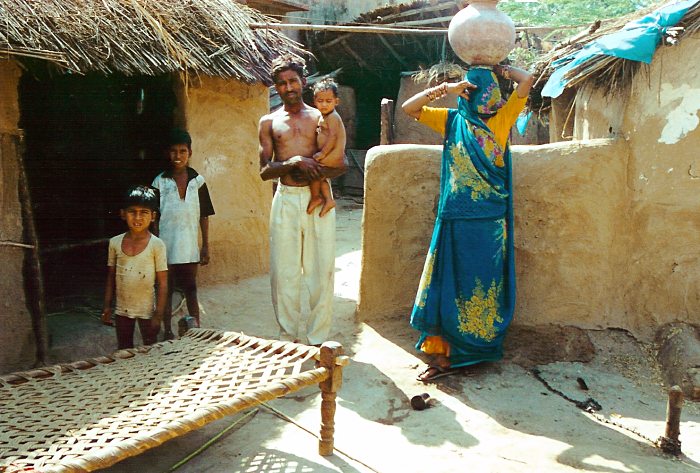
Not Indians, apparently: An article in Wired by Jennifer Kahn called A Nation of Guinea Pigs, describe how drug companies are conducting clinical trials in South Asia, using tens of thousands of poor Indians as "guinea pigs."

Fellow blogger Chris MacDonald does a nice job of outlining the ethical issues:

- Drug companies pay hospitals and doctors to enroll patients in drug trials. The potential for conflict of interest is clear: hospitals and doctors, far from wealthy themselves, may succumb to financial temptations to enroll patients inappropriately. Of course (and with a few important differences) the same worry applies here in North America.

- Most of the people being enrolled in trials are poor, illiterate, and culturally deferential to doctors. Their ability to give free and informed consent is questionable.

- Most of the drugs being tested are drugs that are irrelevant to the health needs of a nation like India; they're mostly medicines (like blood-pressure drugs) aimed at the North American & European markets.


Kahn points out that the path of medical progress is strewn with cases of questionable ethics, desperate practices, and misguided experimentalism, if not outright exploitation. And since patients with the fewest options are invariably the ones most likely to try (or be forcibly volunteered for) risky new treatments, be it an artificial heart, an unproven pill, or a radical lobotomy, they're also the ones who bear the brunt of medicine's experimental nature. In this light, outsourcing trials to a country where decent medical care is scarce, and medication scarcer, is just the globalization of an old equation. Can this really be justified?

Photo source: http://www.sights-and-culture.com/India-country/India-village1.jpg

Thursday, March 02, 2006

Dopes Like You and I to Blame for Olympic Doping?

Art Caplan's article at MSNBC The losing battle against doping

The return of the Olympics has renewed questions about the use of drugs and medical science to enhance athletic performance. In the last Winter Olympics in Salt Lake City, the Nordic skiing and cross country skiing teams were beset with doping scandals. The biennial outbreak of doping tests, charges, lies and expulsions leads naturally to the question about the ethics of using drugs to improve performance. While improved technology has given us the ability to detect the subtle, stealthy drugs, the same technology is also allowing for the development of subtler, stealthier drugs. Caplan argues that most of these performance-enhancing drugs are dangerous, risky and unsafe to use and using them to cheat is wrong from a normative point of view.

Caplan contends that, at the end of the day, integrity, as much as technology, will keep the Olympics drug-free. But, if “your countrymen only see gold medals as making the competition worthwhile, and if you yourself are competing with one eye on the opposition and the other on your endorsement contract, then integrity is in trouble.” If fame, honor, and money go only to those who cross the finish line first, then no matter what, the athletes will cheat. Public opinion, as in you and I, are as much responsible for doping in Olympics as unethical athletes and coaches.

Read more

Too bad you’re gay…worse if you’re gay and black…fatal if you’re gay, black and female

South Africa made international news in December last year when it became the fifth country in the world and the first in Africa to legalize gay marriage. This, while homosexuality remains illegal in neighbouring African countries, is perhaps indicative of the atmosphere of tolerance that South Africa has prided itself on since its oppressive apartheid regime gave way to democracy in 1994.

But recent events raise the question: does the tolerance towards the gay community reflected in South Africa’s legislation on gay marriage extend to the daily, lived experiences of gay men and women? Tolerance, acceptance, and personal freedom are themes far removed from the events that have made headlines this year regarding gays and lesbians.

First, there was the South African National Blood Service’s (SANBS) decision to exclude all sexually active homosexual men from donating blood, following a statement asking gay people not to donate blood if they have had sex (safe or not) in the past five years, which sparked outrage among the gay community. While the SANBS stuck by its decision, claiming that “international medical reports indicate that men who have sex with men show increased risk of infection with HIV and other blood infections,” members of gay activist and human rights groups argued that the SANBS’s position was not based on local HIV statistics and contributed to the stigmatization and marginalization of the gay community.

If the comments of some African leaders are anything to go by, being gay and black invites more palpable discrimination. Zimbabwe’s president, Robert Mugabe, for example, “called homosexuals ‘worse than pigs and dogs’ and a Namibian minister urged a group of police constables to ‘eliminate’ gays and lesbians from the country.” Even within the borders of South Africa’s democracy and liberal constitution, black, gay individuals face discrimination, prejudice and ostracism daily. And, more than occasionally, violence.

Being black, gay, and female apparently makes you a target for even more savage acts of homophobic hatred: early last month, a 19-year-old lesbian from the Khayelitsha township was clubbed, kicked and beaten to death by a mob of young men. And the slow reaction to her murder amongst the media and police has not been met with much surprise by township gay men and lesbians, who face verbal and physical abuse, rape and intimidation on a daily basis, and for whom “police inertia over hate crime is par for the course” (Marianne Thamm, “Not just another murder” in print edition of Mail&Guardian, Feb 24 – March 2).

Here is another problem generated by a patriarchal belief system, it seems. According to Dawn Betteridge, director of the Triangle Project, “…adopting the clothing and behaviour typical of a ‘butch lesbian’ or the ‘effeminate male,’ is perceived as a threat to masculine dominance…Lesbians who mimic men are seen to be challenging male superiority. Rape and violence against lesbians is common…men who perpetrate such crimes see rape as curative and as an attempt to show women their place in society.”

“Corrective rape, where men try to ‘cure’ a lesbian by forcing her to have sex, still happens, according to gay activists.” Nineteen year-old Zoliswa Nkonyana did not receive this cure. Instead, she, and her lesbian ‘threat’ to masculinity, were simply eliminated. Perhaps the legal team for members of the mob who beat her to death will argue in their defense that, for these youths, ‘prevention’ seemed better than cure...

Wednesday, March 01, 2006

Isn't preventing unintended pregnancies a good thing?

The Guttmacher Institute came out with a report yesterday that showed that from 1994 to 2001, 33 states have made it more difficult or more expensive for poor women and teenagers to obtain contraceptives and related medical services; these states cut funds for family planning, enacted laws restricting access to birth control and placed tight controls on sex education.

So query, at a time when policymakers have made reducing unintended pregnancies a national priority, and there is such a huge push to restrict access to abortions, why this schizophrenic approach? As Sarah Brown, director of the nonpartisan National Campaign to Prevent Teen Pregnancy, said "The most powerful and least divisive way to decrease abortion is to reduce unintended pregnancy... "If we can make progress reducing unintended pregnancy, we can make enormous progress reducing abortion."

The War on Science and Plan B

Susan F. Wood, former assistant commissioner of women's health at the Food and Drug Administration, has an op-ed in the Washington Post this morning in which she has some very powerful things about the responsibility of federal health agencies, evidence-based medicine, and Plan B:

"At every stop I am reminded that whether it is the environment, energy policy, science education or public health, the American public expects our government to make the best decisions based on the best available evidence...

Time and again in my travels I am asked, "What happened to derail Plan B?" I have to answer honestly that I don't know. The manufacturer agreed to take the "controversial" issue of young teens' access to emergency contraception off the table in 2004; now we are talking only about adult access to safe and effective contraception. Over 98 percent of adult women have used some form of contraception. So what is the objection?

Perhaps it is that posed by a small but vocal political minority that insists on labeling emergency contraception as abortion, or at least confusing the two. One of the main questions I hear is, "Does this pill cause an abortion?" In fact, the only connection this pill has with abortion is that it has the potential to prevent the need for one. Emergency contraceptive pills work exactly the same way as other birth control pills, and they do not interfere with or harm an existing pregnancy. Emergency contraception is simply a higher dose of daily birth control pills; it is not RU-486, the "abortion pill." Indeed, emergency contraception has been used as a method to prevent unintended pregnancies for decades by women who had physicians advise them on how many pills in their regular pill pack to take. So people who are comfortable with oral contraceptives as methods of contraception should be just as comfortable with emergency contraception."

It is a disturbing commentary that such a small but vocal group has such pervasive influence that it can effectively cause well-educated individual to ignore scientific evidence... how does one combat this?

Tuesday, February 28, 2006

An Economist Looks at the Fertility Industry

Debora Spar, a professor of business administration and an associate dean at the Harvard business school, has recently published Baby Business: How Money, Science and Politics Drive the Commerce of Conception. She is interested in trends in economies and rules of exchange that come in the wake of new technologies, like satellite television, the Internet, and now, IVF. At first, she says, “people get all excited, where there are no rules, and which creates new markets. Over time, these technologies become regulated because people want and need rules.” And the infertility business is interesting to her because in the US is a 3-billion-dollar-a-year sector. According to the author, in this interview anyway, there is nothing more to this business but supply and demand: 15% of the population is infertile, and this represents a high constant demand, and the price of ova, especially those of Harvard grads, has remained high because there is short supply. The average cost of a baby is well over $50,000.

More messy questions include that of whether the therapies ought to be considered enhancements because most infertility is not a disease of the woman who undergoes the treatment. For example, a couple’s infertility may be attributed to male factor infertility, in a heterosexual couple; and, a single woman or a woman in a same sex partnership desiring to be pregnant requires assisted reproduction, IVF being the most common, in order to conceive . Thus a woman who undergoes IVF treatment may herself be reproductively healthy. One could also hold the view that most female infertility may be a social construct; a position that gains support in light of the billion dollar IVF industry in the US, that most women in heterosexual infertile couples would be willing to adopt a child, and the message that having a biological child is considered necessary in order for a woman to realize her "true" potential as a woman.

In the end, even if one considers women’s infertility a disease of the woman who undergoes the treatment, therapy for IVF is time consuming, invasive, and potentially harmful, costly, and most likely is will not be successful. Maybe economists haven't been looking at what supports the billion dollar infertility industry and IVF, but ethicists have.

Global governance needed for species-changing and species-endangering procedures

A summary of Governing Biotechnology
by George Annas

Professor George Annas of Boston University believes that the test for the 21st century is to create a way to govern biotechnology that will lead to the improvement of human life as opposed to destroying it. He explains that biotechnology has had a bumpy back-and-forth road, with issues such as bioterrorism pushing it back and practices like somatic cell nuclear transfer pushing it forward. Annas feels that the first necessary reform is to make clear to lay persons the difference between reproductive cloning and somatic cell nuclear transfer. Somatic cell nuclear transfer is not harmful and therefore cannot be categorized as destructive to humans; rather, it improves the lives of humans. Annas also argues that we need to create a global rules system that includes various governments, industries, NGOs and the public.

Read more

Got Calcium?

The Women's Health Initiative (WHI), a 15-year federally funded study involving more than 36,000 women ages 50 to 79, found that taking calcium (1,000 milligrams daily) and vitamin D (400 international units daily) improved hip bone density, but didn't decrease the risk of hip fractures.

But experts are saying don't stop taking those calcium supplements yet -- in other bone studies involving frail older women, calcium supplementation appeared beneficial. Researchers say additional study is needed to provide more conclusive results.

Got Health Care?: Privatization of Canada's health care

aCanada's publicly financed health insurance system — frequently described as the third rail of its political system and a core value of its national identity — is going to have to move over to make room for private care as well. Critics are complaining that it will lead to disparities in health care, but what's not being said in this article that in the US we also have disparities in health care and a two-tier system -- either you have insurance or you don't.

Monday, February 27, 2006

States' Tug of War on Plan B

Nearly every state is or soon will be wrestling with legislation that would expand or restrict access of the "morning-after" pill.

The makers of the morning-after pill, known commercially as Plan B, asked the FDA for the right to sell the drug over the counter in April 2003, four years after it was first approved for use. The agency's staff and an advisory panel strongly favored the application, saying that unprotected sex often occurs when it is difficult to get a doctor's prescription. They said that easier and faster access to the drug would reduce the number of abortions.

More than 60 bills have been filed in state legislatures already this year; the resulting tug of war is creating an availability map for the pill that looks increasingly similar to the map of "red states" and "blue states" in the past two presidential elections -- with increased access in the blue states and greater restrictions in the red ones.

Some bills expand access -- in Maryland, New York, Kentucky and Illinois specially trained pharmacists would have the right to dispense emergency contraception without a prescription. Other bills require pharmacies to stock and distribute the drug, and to ensure that the pill is made available to women who come into emergency rooms after a sexual assault.

But some bills would make it more difficult for many women to get emergency contraception, which is effective for only 72 hours after a woman experiences a contraceptive failure or unprotected sex. Legislation in New Hampshire, for instance, would require parental notification before the drug is dispensed, and more than 20 other states will consider bills that give pharmacies the right not to stock the drug and pharmacists the right not to dispense it, even to women with valid prescriptions.

Bad to the Bone: Body Snatchers

The owner of a biomedical supply house and three others were charged with selling body parts for use in transplants in a scheme a district attorney called "something out of a cheap horror movie."

The indictment was the first set of charges to come out of a widening scandal involving scores of funeral homes and hundreds of bodies, including that of "Masterpiece Theatre" host Alistair Cooke, who died in 2004.

The investigation has raised fears that some of the body parts could spread disease to transplant recipients.

Rose Gill Hearn, commissioner of the NY City's Department of Investigation, said "It was shockingly callous in its disregard for the sanctity of human remains."

Prosecutors said the defendants took organs from people who had not given consent or were too old or too sick to donate and forged consent forms and altered the death certificates to indicate the victims had been younger and healthier.

X-rays and photos of recently exhumed cadavers show that where leg bones should have been, someone had inserted white plastic pipes -- the kind used for home plumbing projects, available at any hardware store. The pipes were crudely reconnected to hip and ankle bones with screws before the legs were sewn back up. (Watch how X-rays provided clues -- 1:18)

Designer Microbes, the Human Genome Project and Alternative Fuels

J. Craig Venter, the man who is known for mapping the human genome, is proposing to create a new form of life that can help create alternative fuels. He hopes to create designer microbes -- the heart of a biological engine -- from scratch, then adding genes culled from the sea to turn crops such as switch grass and cornstalks into ethanol.

While he's at it, he'd like to modify or devise microorganisms to produce a steady stream of hydrogen.

Venter also now sports an extensive collection of genetic material scooped from the sea from a three year Darwinesque journey around the world -- and that's the raw material for his alternative fuel project. With $15 million from Mexican venture capitalist Alfonso Romo Garza, he has launched a new company in Rockville called Synthetic Genomics Inc.

This is pretty exciting -- a chance to conserve the earth's limited resources and create alternative fuels -- on the other hand, what sort of risks might be associated with creating such new life form?

Friday, February 24, 2006

Separating Fact From Spin in the Abortion debate

NPR does a excellent job of explaining the facts behind late-term or 'partial birth' abortion, explaining why it is so controversial, why is the procedure was developed in the first place, and how it relates to the entire abortion debate:

"Activists on both sides of the issues see the constitutionality of the Partial-Birth Abortion Ban Act as pivotal to the larger debate. Abortion-rights backers say the ban is a first step toward trying to outlaw all abortions. Even some supporters of the ban say that if it is upheld, they could then move on to try to outlaw the far more common D&E procedure, whose description is nearly as unpleasant as that of the D&X.

The court could also use the law to address the 'health' exception currently required for all abortion restrictions. Abortion foes say the current health exception upheld by the court is so broad -- encompassing mental health problems as well as physical ones -- that just about any abortion-procedure ban would have to be invalidated. But abortion-rights supporters say that without a health exception, women could be forced to carry to term fetuses with no chance at life, but whose birth could leave the pregnant women unable to carry a later pregnancy, or could exacerbate serious ailments such as diabetes."


Thursday, February 23, 2006

South Dakota: Gunning for Roe

South Dakota lawmakers passed the most restrictive ban on abortion, in the hopes of getting Roe vs. Wade overturned. The measure, which passed the state Senate 23 to 12, makes it a felony for doctors to perform any abortion, except to save the life of a pregnant woman. Proposed amendments to include exceptions for rape and incest were defeated. Assuming the Governor signs the bill, it is scheduled to become law July 1st.

The law is so restrictive that even many pro-life advocates don't think that it will pass constitutional muster.

Ethical Entertainment


“Oscar has developed a social conscience this year, with weighty real-life themes ranging from ethics in big business and media to racial tensions, dominating the movies vying for the big prizes” writes Los-Angeles-based Marc Lavine in the Mail & Guardian this week.

The Oscars are just around the corner. And people here in South Africa are paying special attention – not only because our Charlize is once again up for an award, this time for her role in North Country, but because a local film, Tsotsi, has also been nominated for an Academy Award.

Ethical, moral and social issues seem to be the order of the day if one considers those films that have scooped the nominations this year. Which, according to Hollywood Reporter columnist Marty Grove, is unusual, given that, a few years ago, the serious film would have been the odd-man out. But this year, many of the films that are up for various awards – Capote, Good Night, and Good Luck, Crash, Munich, The Constant Gardener, Syriana, Brokeback Mountain - deal with issues that Hollywood once thought too serious and too dark for mainstream movie-goers, including homophobia, freedom of expression, journalistic ethics and media censorship, terror in the Middle East and the morality of avenging terrorism.

In a rather more cynical view, Brian Johnson of Canada’s Maclean’s magazine claims that these movies collectively represent a landscape of (white) liberal guilt, populated by tortured male protagonists. Never in the history of the academy have issue-oriented films so thoroughly dominated, he writes.

Which got me thinking: South Africa may be a relative new-comer to the Oscar’s list of nominees, but it has a long(er) history of producing films that have highlighted ethically-weighty and socially-conscious issues. In Tsotsi’s “raw and compassionate depiction of Johannesburg’s criminal underworld, where poverty and AIDS are mainstays of existence,” there is an “almost mythic sense of reclamation and redemption…an insightful glimpse of post-apartheid life, from its most violently severe to its most culturally vibrant.”

Tsotsi follows in the film reel of other powerful depictions of apartheid’s legacies of racial inequality, injustice, bitterness, outrage, hope, and forgiveness: Cry, the Beloved Country is one; Country of My Skull another. Cry, the Beloved Country’s portrayal of the “path of tolerance and compassion” and Country of My Skull’s portrayal of “how a country goes about resolving its pain” run parallel to the themes of redemption and reconciliation that have punctuated South Africa’s reality.

And then there are those that have placed women on centre stage. Zulu Love Letter shows the “desperate and emotional journey of two mothers searching for their daughters” while the main character grapples with the “haunting images and unrelenting grief of the past”, and aims her “barely suppressed rage…not directly at White South Africans so much as those around her for not dwelling on what she and millions of others endured during the apartheid era.” Yesterday, South Africa’s first ever Oscar-nominated film in 2005, deals with AIDS as other movies have dealt with apartheid, depicting “what AIDS does to people, families, and communities without being overly dramatic or too emotional about it.” It is a film about one woman’s survival, courage and determination, with the lead character, Yesterday, fighting against AIDS, and refusing to die before she completes her mission: seeing her daughter go to school.

Like the gritty roles that have seen a transformed beauty, Charlize Theron, nominated for Oscars – Monster and North Country - these films convey some of the harsh messages that emanate from what, to so many of us who live here, is a very beautiful country, with an extraordinary people.

Sex as entitlement, sex as power?

“A man…stabbed his wife in the neck because she would not have sex with him and then proceeded to have sex with the bloodied woman…”

In a previous blog post earlier this month (see below, The Politics of Violence Against Women: A South African Perspective, posted Thursday 2nd February), I wrote about how the daily experience of inequality by women and the violence perpetrated against women by men continue unabated in South Africa. “Because of our patriarchal system, power is in the hands of men. Women do not have much say in decision-making, societal issues, and even more sadly, in their intimate relationships. Men control their sexual rights. Women cannot choose when, how and with whom they can have sex” (Memela, 2005, p.98).

As if drawing a line under the issues highlighted in that post, an article in one of our local papers today offers an all-too real and tragic example of the cultural belief that sex is a man’s right and a woman’s obligation – and of the violent consequences of women’s refusal to submit: “…the couple had quarreled that evening because the accused wanted to have sex and his wife did not. The two eventually went to bed and the argument continued. The husband then went to the kitchen, fetched a knife and stabbed his wife.”

Wednesday, February 22, 2006

Abortion and US Supreme Court again

The US Supreme Court Supreme Court agreed yesterday to decide whether a 2003 federal ban on the procedure that critics call "partial birth" abortion is constitutional, setting the stage for its most significant ruling on abortion rights in almost 15 years. The issue: whether the constitutional right to have an abortion means that any law regulating this procedure must contain an exception to protect a woman's health.

In 2000, in the case of Stenberg vs Carhart, the Supremes struck down a Nebraska ban on this procedure, in a 5 to 4 ruling that it was so vaguely written that it could also criminalize other procedures, and that it lacked an exception for the woman's health.

The federal Partial-Birth Abortion Ban Act of 2003 banned the procedure except when necessary to save the life of the woman, deliberately omitting an exception to protect the woman's health. The law formally declared that such an abortion could never be necessary to preserve health.

Food for thought: Is this 2003 Act by Congress an attempt to practice medicine like they did in the Terri Schiavo case?


Promote stem cell research ... donate your baby's umbilical cord

For those who object to the use of leftover IVF embryos and therapeutic cloning for embryonic stem cell research, there is another alternative: Donate your soon-to-be born baby's umbilical cord for public storage so that it can be used for research or to treat or save the life of an unrelated person.

The Institute of Medicine of the National Academy of Sciences issued a report last year calling for the establishment of a National Cord Blood Stem Cell Bank Program; what the National Marrow Donor Program is doing is the first step.

[thanks, Karama Neal!]

Ethical Concerns Halts Death Penalty Execution

Prison officials in California postponed indefinitely the execution of a condemned killer, saying they could not comply with a judge’s order that a medical professional administer the lethal injection.

The ethical showdown came to a head when two anesthesiologists refused to participate in the execution after learning they would be expected to tell prison officials whether or not the prisoner needed more sedation or possibly even give him more medication, thereby allowing the execution to proceed. Prison officials couldn't find a doctor, nurse, or other person licensed to inject medications to give a fatal dose of barbiturate.

The AMA and many other medical groups have long opposed doctors having any role in executions, including monitoring a prisoner’s vital signs or giving technical advice.

Women on Board(s)

Chris MacDonald, author of partner blog, Business Ethics, has commented on and pointed out some interesting studies on women and corporate boards.

Tuesday, February 21, 2006

WBP Announces East Coast Advisory Board

SEATTLE – The Women’s Bioethics Project (WBP) today announced that it has established an East Coast Advisory Board, which has attracted some of the most prestigious and respected leaders in the fields of bioethics, medicine and reproductive rights. The advisory board will provide guidance and strategic direction to the WBP as it continues in its mission to serve as a bridge between scholarship and policy-making, ensuring that women’s voices, health concerns and unique life experiences are brought to bear on ethical issues related to health care and biotechnology.

The members of the newly formed WBP East Coast Advisory Board include:

R. Alta Charo, J.D., visiting professor of law, University of California, Berkeley; Knowles Professor of Law & Bioethics, University of Wisconsin Law and Medical Schools

Nancy Chilton, public relations consultant; Council of Advocates, Planned Parenthood of New York City

Katie Danziger, chair, board development, Planned Parenthood of New York City

Robin N. Fiore, Ph.D., Adelaide R. Snyder Professor of Ethics, Florida Atlantic University

Maureen Jerome, corporate manager, art historian; principal ARTLIFEdesign. LLC

Frances Kissling, president, Catholics for a Free Choice

Hilde Lindemann Nelson, Ph.D., associate professor of philosophy,

Michigan State University

Linda MacDonald Glenn, J.D., LLM, associate adjunct professor, University of Vermont, lawyer, and consultant

Mary Mahowald, Ph.D., professor emerita, Department of Obstetrics and Gynecology, University of Chicago; MacLean Center for Clinical Medical Ethics

Jonathan Moreno, Ph.D., senior fellow, Center for American Progress; Emily Davie and Joseph S. Kornfeld Professor of Biomedical Ethics; director, Center for Biomedical Ethics, University of Virginia

Laura Philips, Ph.D., MBA, chief operating officer, NexGenix

Pharmaceuticals

Rosemarie Tong, Ph.D., distinguished professor of Health Care Ethics in the Department of Philosophy; director, Center for Professional and Applied Ethics, University of North Carolina, Charlotte.

Leslie R. Wolfe, Ph.D., president, Center for Women Policy Studies

“The addition of so many recognized and thoughtful individuals to our East Coast Advisory Board will significantly strengthen our position as an authentic and important voice within current and emerging bioethics debates,” said Kathryn M. Hinsch, founder of the WBP. “We are so pleased that they have agreed to join us in our efforts. The newly established East Coast board will work closely with our West Coast advisory board, which was established in 2004 and has guided the organization from its inception.”

Monday, February 20, 2006

Denmark in the News for Something Else

Denmark is the only country in the world with an established National ART reporting system that counts all ART treatments, including in vitro techniques and intrauterine inseminations. Recently a “Summary The European Society for Human Reproduction and Embryology (ESHRE)” has been published. This report contains data on Assisted Reproduction in Europe since 1997. In Denmark in 2002, a total of 20, 837 treatment cycles were performed. The result was that 6.2% of all infants were born after assisted reproduction.

More on Marriage and Financial (Dis)Incentives...

And in a similar vein to our previous post, Slate has an interesting article that provides an argument that polygamy can benefit women economically. (Although Tim Harford kinda misses the whole demeaning aspect of the men-buy-women-sell dowry thing).

Still, Harford does rightfully point out: "When men are taken out of the marriage market by war or by prison, women suffer. The reverse is probably true, too: When women are taken from the marriage market, men suffer. In China, the policy of one-child families coupled with selective abortion of girls has produced "surplus" males. Such men are called "bare branches," and China could have 30 million of them by 2020. Perhaps polyandry—women with multiple husbands—would be the logical response to the situation in China."

[thanks again, Sean Philpott!]

The Show-Me-The-Money Approach to Prostitution and Marriage

Wife or whore? It's as simple as that according to an economic analysis in Forbes online. : Two well-respected economists created a minor stir in academic circles a few years back when they published "A Theory of Prostitution" in the Journal of Political Economy. The paper was remarkable not only for being accepted by a major journal but also because it considered wives and whores as economic "goods" that can be substituted for each other. Men buy, women sell.

To be fair,
economists Edlund and Korn admit that spouses and streetwalkers aren't exactly alike: a key differentiator in Edlund and Korn's model is reproductive sex. Wives can offer it, whores can not.

Just gives you sort of a warm, fuzzy feeling, doesn't it? Reminds me of J. G. Raymond's essay on women as reproductive conduits and incidental incubators.


[thanks Sean Philpott for bringing this article to our attention]

Thursday, February 16, 2006

Gazzaniga on Cloning

Michael Gazzaniga, author of The Ethical Brain, and member of the President's Commission on Bioethics, make an argument for the therapeutic cloning in the NY Times today, saying that "The president's view is consistent with the reductive idea that there is an equivalence between a bunch of molecules in a lab and a beautifully nurtured and loved human who has been shaped by a lifetime of experiences and discovery. His view is a form of the 'DNA is destiny' story."

Pregnancy Discrimination in the Workplace

From Women's ENews, an outrageous example of discrimination against pregnant women in the workplace: A female employee was told that her pregnancy was costing her company too much money and that it would pay for her to have an abortion. It's an extreme example, but advocates say the workplace is still tough on pregnant women.